Why Everyone Loves the Transitional Design Style (& How to Bring it Home)
The transitional design style lives at the intersection between timeless and traditional, and sleek and modern. Here’s how to incorporate the transitional design style in your own home and build a space that’s uniquely yours.
This post contains affiliate links. We may earn a small commission when you purchase through links on our post, at no cost to you. We only recommend products we would use ourselves, and all opinions expressed below are our own.
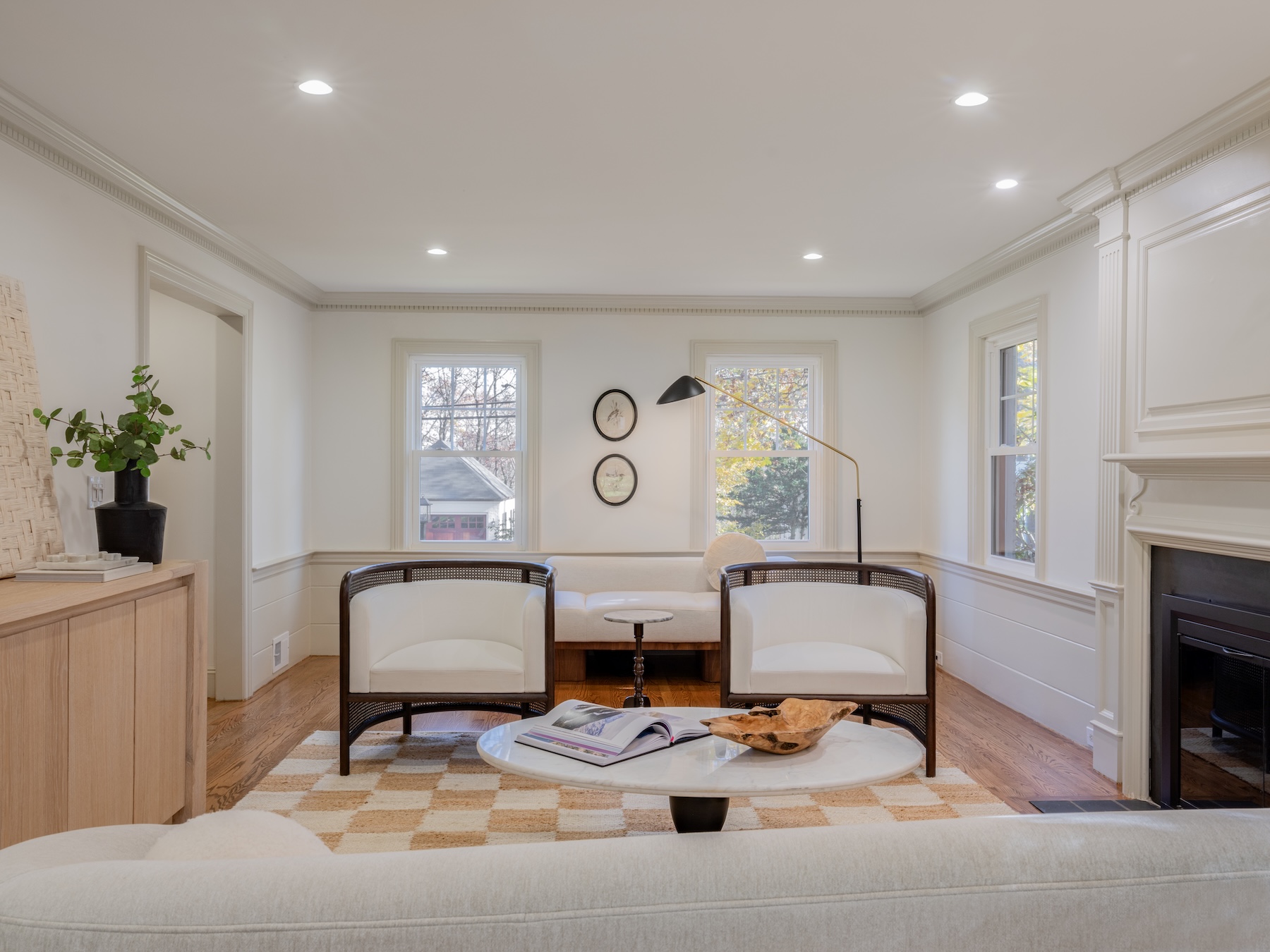
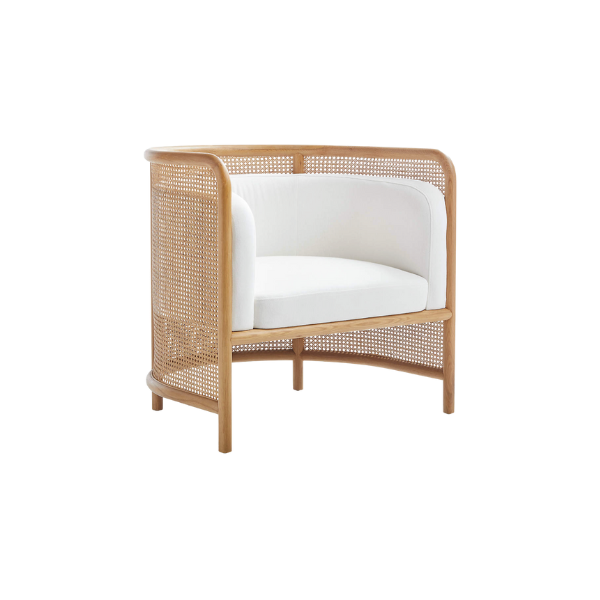
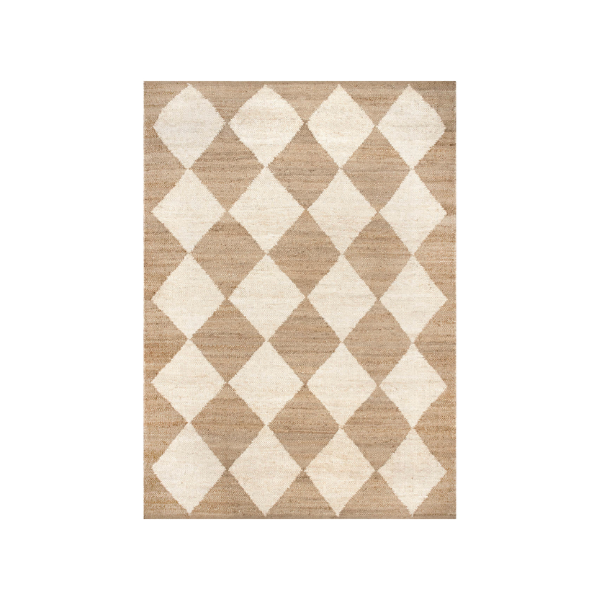
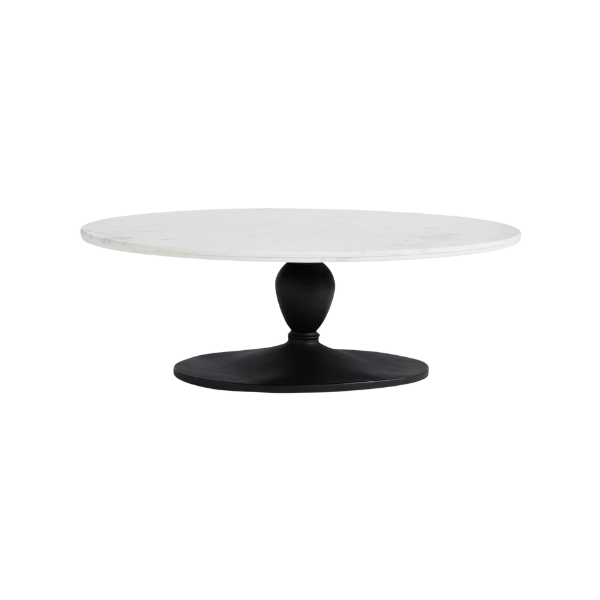


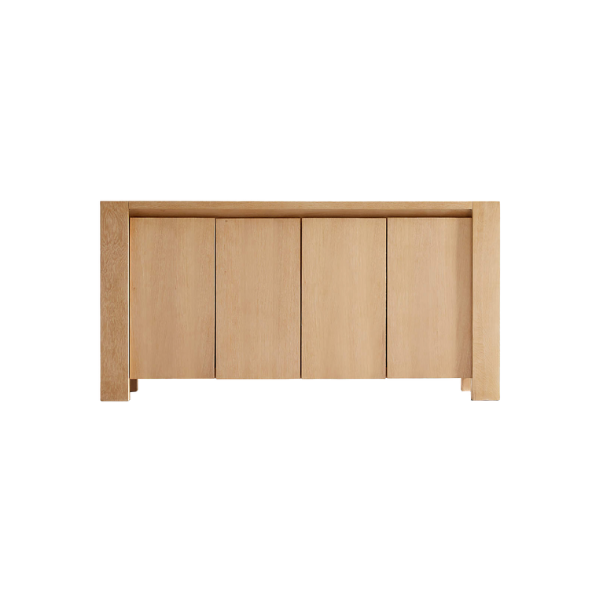
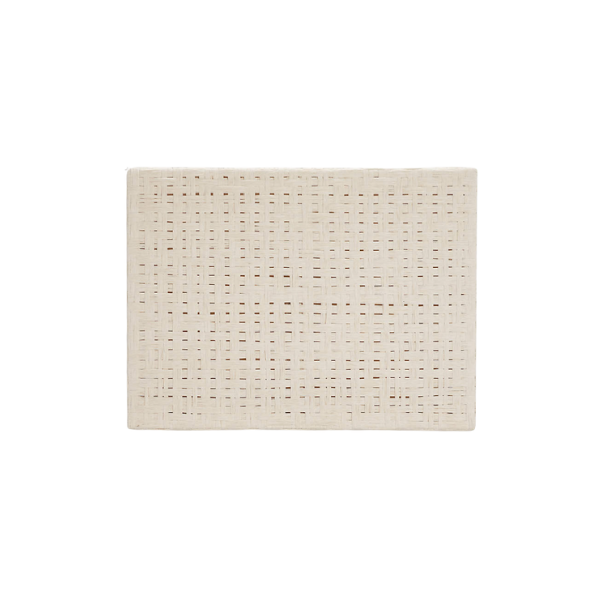
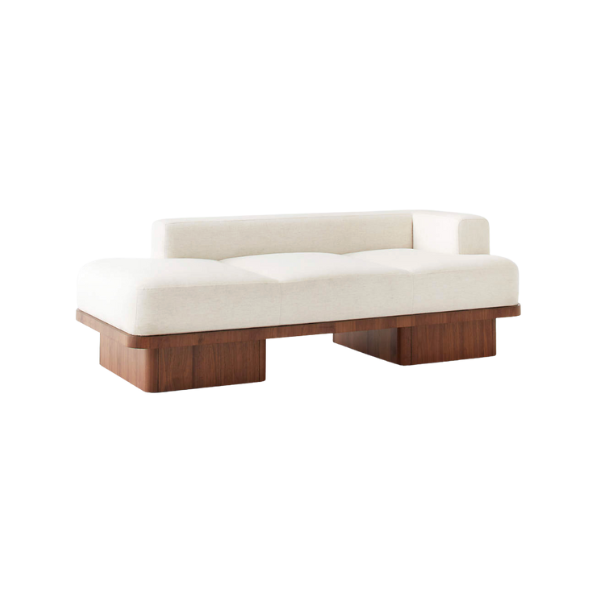
The transitional design style is the sweet spot between the comfort of traditional design and the clean simplicity of contemporary style. It looks polished without feeling stiff. It feels elevated, but not out of reach.
If you find yourself pulled between classic and contemporary styles, the transitional design style is for you.
There’s a beauty in combining design styles, don’t get me wrong. But it’s a difficult line to tow. You need to start with the basics, work in stages, and build slowly. In this blog post, I’m going to cover the exact process for creating a transitional home that feels personal, livable, timeless, and uniquely yours.
I’ll start by breaking down exactly what the transitional design style is and then show you how to use its design principles to build a space that feels like you. From paint colors to home decor selections, I’m covering it all! Let’s bring your Pinterest dream home to life and create a transitional design style home you’ll love for years to come.

So, What is the Transitional Design Style?
The transitional design style is a balance of competing elements. It pushes the boundaries of the nostalgic, traditional design we all know and love by combining it with the clean lines and restrained approach of modern aesthetics.
It tows the line between ornate and simple, bold and minimal. Transitional design exists in that beautiful in-between space where a home feels simultaneously new and timeless.
I think a lot of people end up here by accident. You buy one traditional piece you love. Then you fall for something clean and contemporary. Suddenly, you worry that none of it goes together. Been there, done that. Instead of forcing yourself into a single interior design box, transitional design allows you to combine what you love and make it look intentional.
There’s no right or wrong in transitional design. It’s based on guiding principles that foster harmony among different design elements. It’s the perfect option for people who want to incorporate family heirloom pieces with new furniture purchases, couples with competing design preferences (let’s face it, compromise is never easy), and design lovers who just can’t commit to one style (trust me, I get it!).
How to Incorporate Transitional Design in Your Home
Whether you’re embarking on a full home renovation or quick room makeover, here are all the ways you can introduce the transitional design style into your home to create a space that screams you.
You don’t need to replace everything you own. And you definitely don’t have to follow trends. You just need to understand how to balance opposing elements in one cohesive space.
1. Start with a Neutral Foundation
When I think of transitional design, my mind immediately goes to Studio McGee. Shae is the undisputed queen of transitional and a huge source of inspiration when working in that style. Here’s an example of Studio McGee’s masterful use of the transitional design style in The Oaks Project (scroll through these pictures to be blown away!)
As you’re looking through the different spaces, pay attention to the colors. What stands out (if anything?) What patterns do you notice?
The throughline across all the rooms is an earthly color palette, paired with pops of muted blues and greens. The transitional design starts with a neutral foundation. Think warm taupes, greiges, creamy whites, and soft grays. These shades create a calm base that allows other elements to shine.
Instead of relying on bold colors, transitional spaces use tone and depth. For example, you might layer several shades of the same neutral to create richness in your space. You can start with a warm white paint color, layer in a greige slipcover sofa, and finish the room off with natural wood furniture. Perfection!
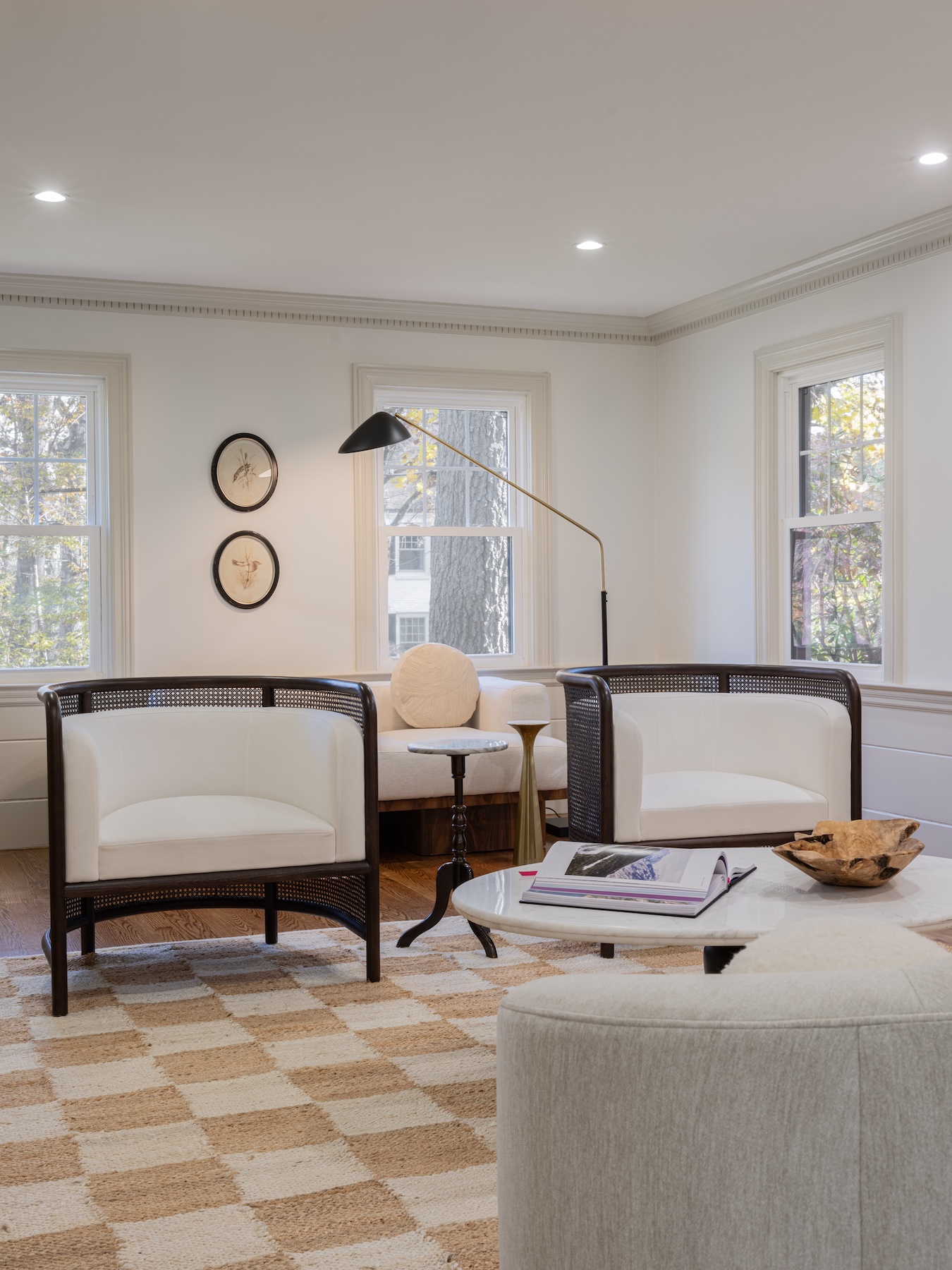
When you add color, keep it muted and controlled. Soft blues, earthy greens, and warm blacks work best. They ground the space without overpowering it.
2. Mix and Match Furniture
Transitional design is perfect for the gal equally obsessed with the warmth and charm of her leather roll-arm sofa and the sleek, minimal design of her contemporary marble coffee table. This design style is all about mixing and matching different design elements in a way that feels balanced, not random.
Traditional furniture features curves, wood detailing, and heavier visual weight. Contemporary furniture leans sleek, minimal, and linear. When mixing furniture, look for pieces with complementary proportions and shapes. You want pieces to share a common visual language, even if their styles differ.
Leaning too far in one direction weakens the balance. If your room feels too modern or too traditional, adjust with lighting, textiles, and decor.
3. Layer Textures (Again and Again)
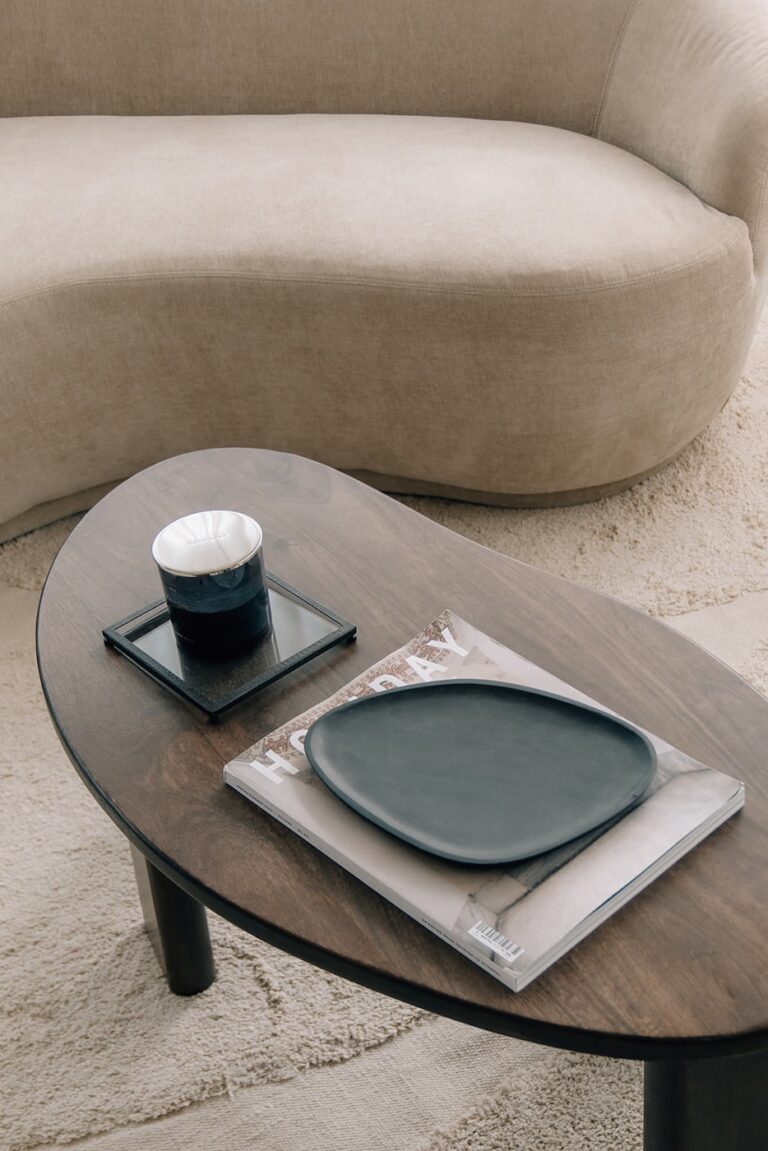
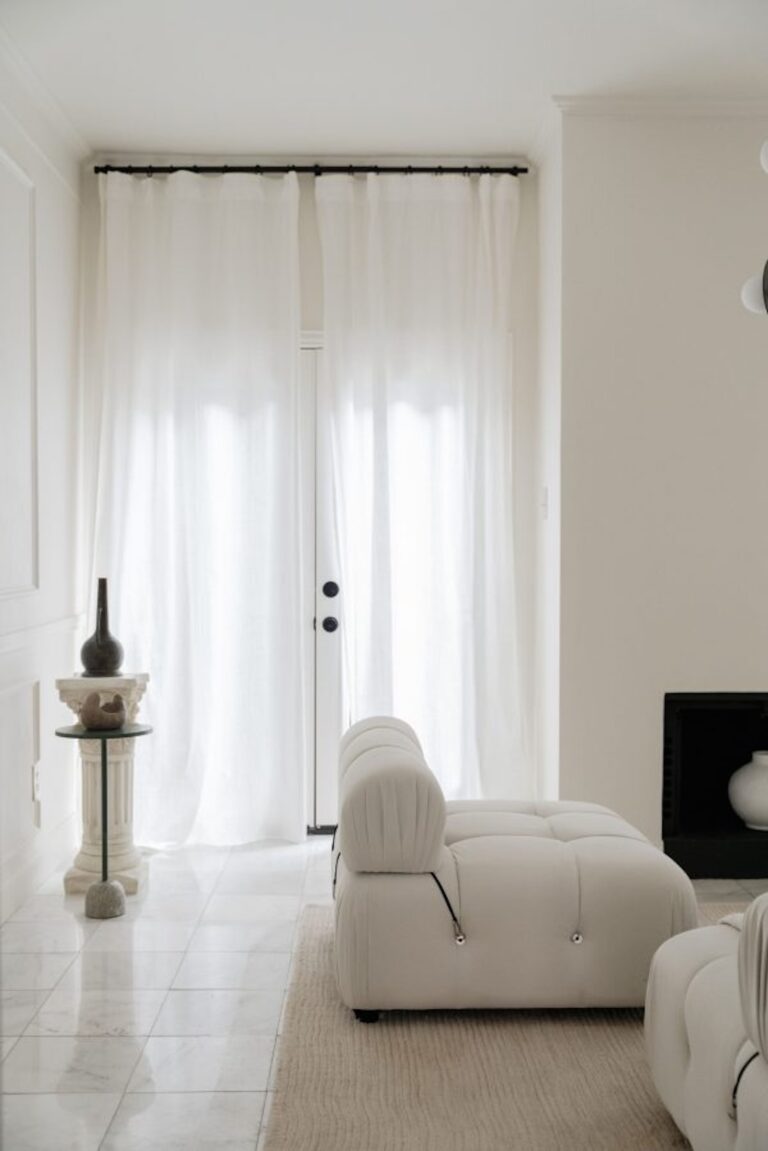
Texture is the secret sauce that gives transitional design its depth. Without bold patterns or vibrant colors to do the heavy lifting, texture becomes even more essential for creating visual interest. It adds warmth and depth without creating clutter. A room with layered textures feels inviting and lived-in, even when the color palette stays neutral.
Transitional spaces feature natural stone, woods, leathers, wicker, soft velvets, crisp linens, breathable cottons, and beautiful boucle fabrics. The interplay between these materials creates a richness that takes a life of its own.
If your Pinterest board is full of transitional design inspo but you don’t know where to start, try incorporating 3 different textures in your home and test a variety of combinations to find your favorite.
Trust me, this small design upgrade will make your space feel effortlessly styled and thoughtfully collected, without reinventing the wheel.

4. Play With Patterns
Transitional design is no stranger to pattern play. The neutral color palette lends itself to fun pattern combinations in furniture, rugs, textiles, and decor.
Patterns should feel intentional and restrained, but never chaotic. If you look back at The Oak Project by Studio McGee, you’ll notice striped pillows paired with floral prints, Persian rugs juxtaposed with Turkish towels, and grid-patterned throw blankets placed carefully on top of rich, solid accent chairs.
RELATED POST: Interior Design Basics: How to Create Your Dream Home *Without a Design Degree*
It’s all about balance. If patterns intimidate you, start small. Try pairing a large-scale geometric pillow with a small floral lumbar. Break up solid elements with abstract prints. Incorporate subtle texture patterns, like herringbone or basketweave, to add visual interest to your space without overwhelming it.
5. Personalize with Home Decor
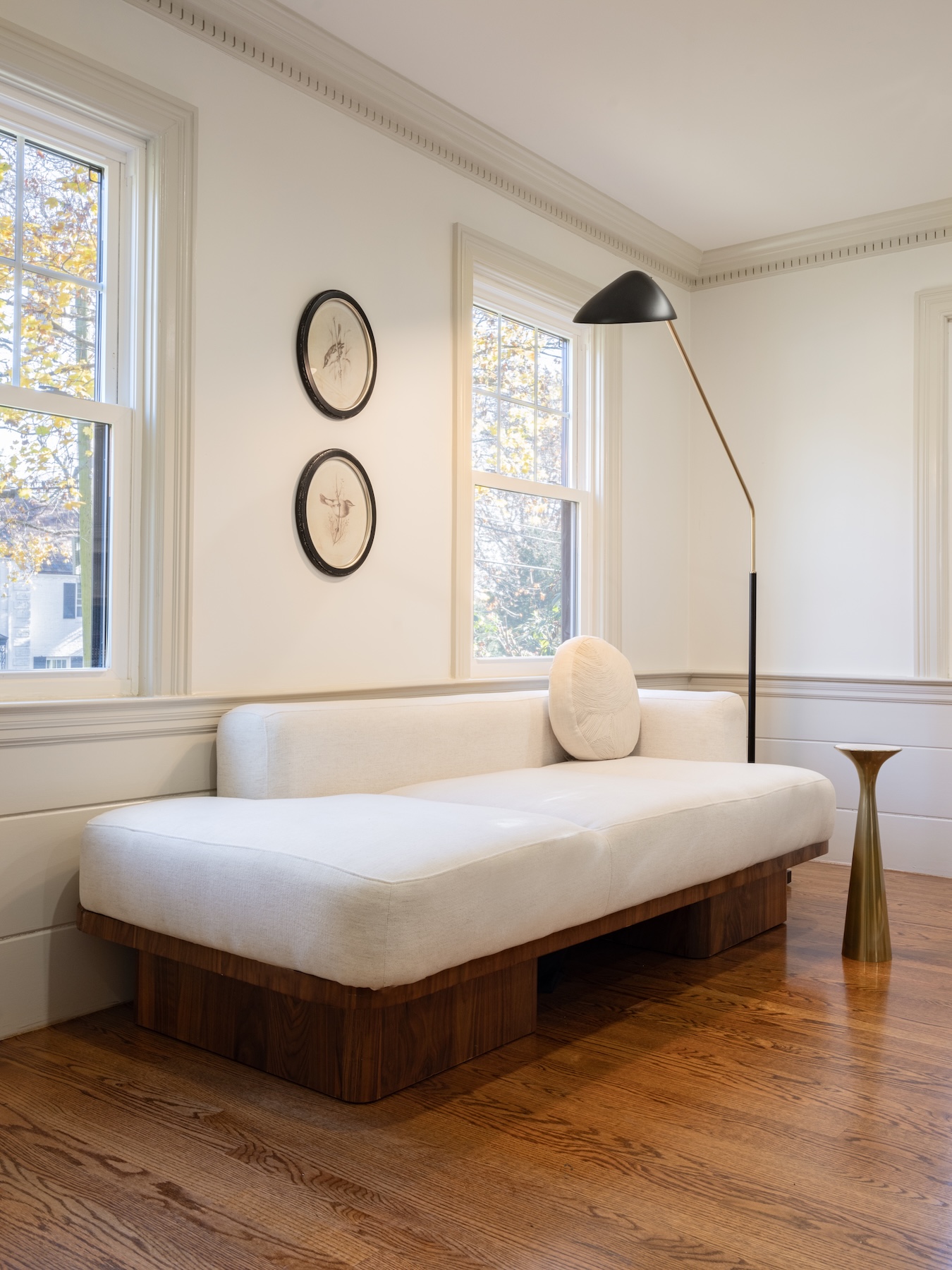
The icing on the cake. Overdecorating creates visual noise, so when in doubt, less is more. Choose home decor pieces that hold value in your life, whether it’s sentimental, functional, or just beautiful to look at. You don’t necessarily have to adopt a minimalist approach here, just a selective one.
RELATED POST: 11 Chic & Stylish Coffee Table Books for a Collected Home
Think family heirlooms, throw pillows with mixed patterns, textured blankets, contemporary art with a traditional frame, or mixed materials like stone, wood, and metal. Before you shop for anything new, take time to edit what you already have.
Remove items that feel purely decorative without adding meaning or function. Give important pieces room to breathe. Your home should reflect your style, your story, and your loved ones. Incorporate decor pieces you love to look at, and give them room to shine.
Making the Transitional Design Style Your Own
As much as I love Studio McGee, the goal here is not to copy her interpretation of the transitional design style. She has hers, and you have yours. Use Shae’s work as inspiration to develop your own version of transitional design.
There’s no right way to do it. The transitional design style doesn’t come with a checklist or a finish line. It evolves with you. It’s a constant push-and-pull between the old and the new, allowing you to test different combinations, make mistakes, and develop your style along the way.
Your version might lean more traditional today or a bit more contemporary tomorrow. And that’s totally fine! This interior design style grows with your taste, your life, and your experiences.
The transitional design style gives you the framework and flexibility to create a home that feels both timeless and personal. As you explore transitional design, allow your home to evolve slowly. Start by identifying the elements you’re naturally drawn to. The furniture pieces you can’t stop thinking about, the colors that make you feel at home, the objects that hold significance in your life. Then let those elements guide your design decisions.
The goal isn’t perfection or speed. It’s creating a home that supports the life you want to live, that feels both comfortable and beautiful, and that tells your unique story through a balanced approach to design.
This post is all about bringing the transitional design style home!